






















Decking


Save On Maintenance
Higher Maintenance Cost
Alternatives To Consider
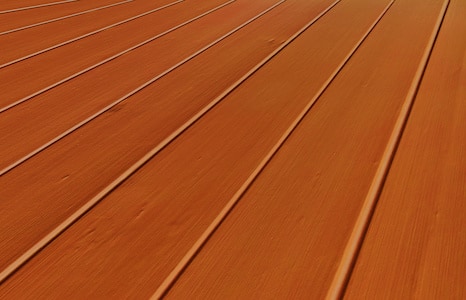
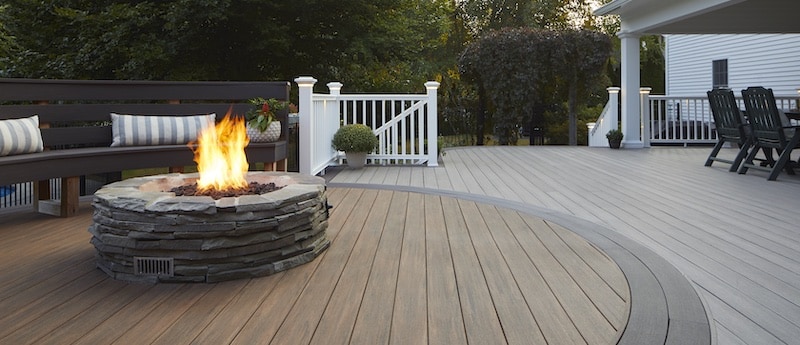
Like treated lumber, cedar decking material is a softwood with a natural look and feel that requires periodic maintenance. That said, cedar is far more resistant to weather and insects which onlv increases the lifespan of the deck but also comes with a higher price tag. Cedar is the ideal choice for a homeowner looking for an environmentally sustainable product with a premium look and feel for a price similar to that of composite decking.

Like composite materials, vinyl decking is considered relatively maintenance-free, rot and insect-resistant, and likely to have a long lifespan. As an added bonus, it's 100% recyclable and lighter weight, which makes installation easier and faster. Since this material is also less susceptible to scratches, fading, and chipping, it also comes with the highest price tag of any available decking material available. Often available in a wider variety of hues and more vibrant colors, PVC is also considered a bit more forgiving in decking designs with radiuses or intricate detail. R.P. Lumber proudly sells CertainTeed EverNew, Clubhouse, and Gorilla Decking PVC decking materials.
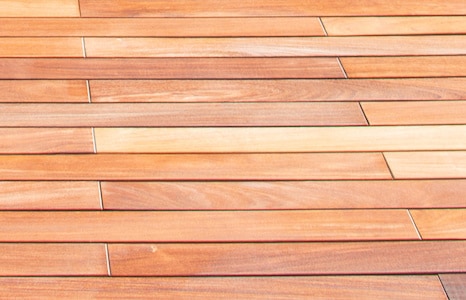
A tvpe of Brazilian Walnut Ipe (pronounced "ee-pav") is one of the hardest woods available which makes it an ideal choice for decking material. When it comes to wood, there are few options better than Ipe. Impervious to rot, mold, insect attack, decav, and fire. Ipe is often compared to concrete but in the form of beautiful wood. Although periodic sanding and staining are recommended, the natural grain of this material adds style and sophistication to your outdoor space, and it is so resistant to rot, insects, scratches, fading, and chipping, it can last upwards of 50-75 years if well-maintained. Since it is a sustainable resource, you can feel good about making a green choice provided the higher cost of this material fits into your budget.






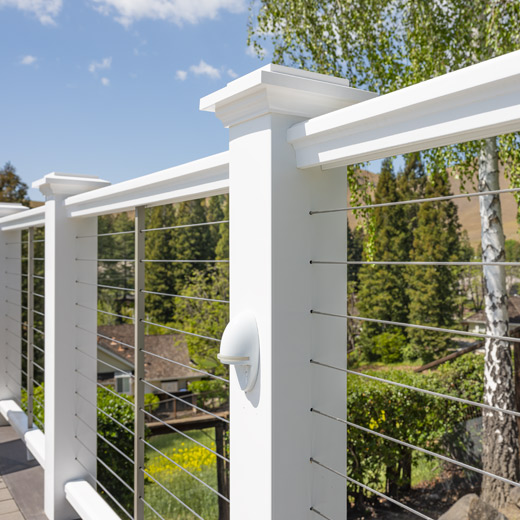
When it comes to planning a deck, one essential element that often requires careful consideration is the railing system. A well-chosen railing not only enhances the aesthetic appeal of your outdoor space but also provides safety and functionality. This comprehensive guide aims to assist you in shopping for and selecting the ideal railing system for your deck, taking into account various factors such as materials, styles, regulations, and maintenance. R.P. Lumber proudly sells deck railing systems manufactured by Trex, TimberTech by Azek, Deckorators, Fairway, Fortress, and RDI.
Assessing Your Needs
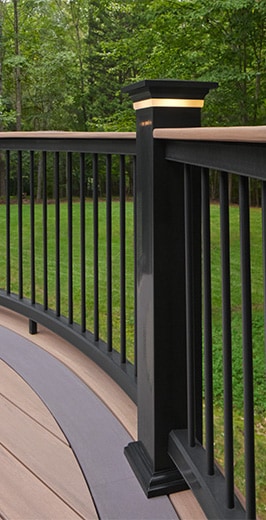
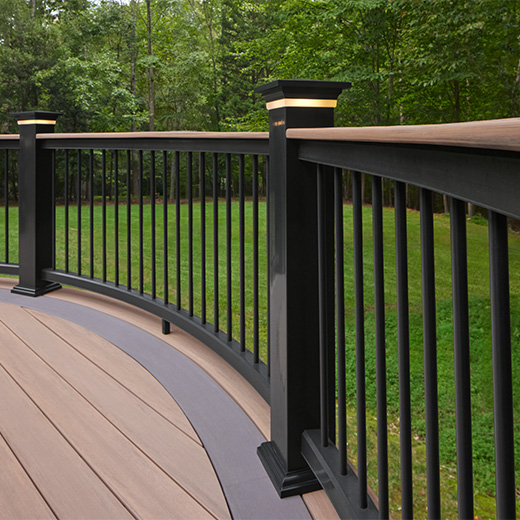
Before embarking on the journey of selecting a railing system, it's crucial to evaluate your specific requirements. Consider factors such as safety concerns, local building codes, the purpose of your deck, and the overall style and theme you wish to achieve. Understanding your needs will guide you towards choosing the most suitable railing system.
Materials and Durability: Railing systems are available in a range of materials, each offering unique benefits and visual appeal. Common options include wood, metal, glass, and composite materials. Consider factors such as durability, maintenance requirements, weather resistance, and lifespan when evaluating different materials. Choose a material that complements your deck's aesthetics while also considering long-term maintenance and cost implications.
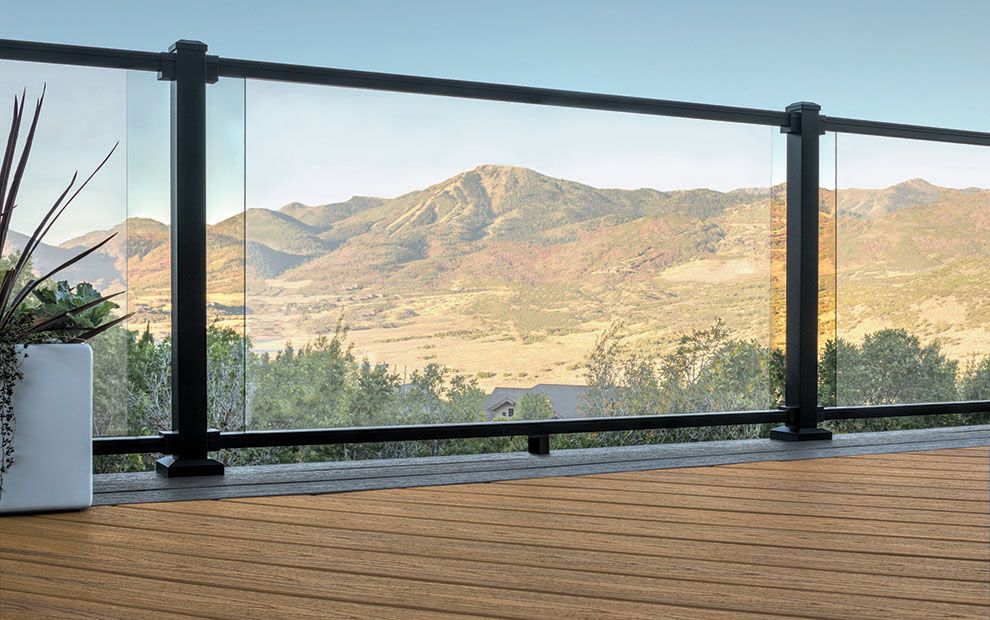
Style and Design: The railing system you select should harmonize with the overall design and style of your deck. Whether your deck has a traditional, modern, or rustic theme, there are railing options to suit every taste. Explore various styles such as baluster, cable, glass panels, or a combination of these. Consider the spacing between balusters, the thickness of railings, and any decorative elements to achieve the desired aesthetic appeal.
Maintenance Considerations: Different materials have varying maintenance requirements. While some may require regular sealing or staining, others might need occasional cleaning or repainting. Consider the time and effort you are willing to invest in maintaining your railing system. Opting for low-maintenance materials such as aluminum or composite can provide convenience while preserving the beauty of your deck.
Other Factors to Consider
Safety and Building Codes: Safety is of paramount importance when choosing a deck railing system. Familiarize yourself with local building codes and regulations to ensure compliance. Height requirements, spacing between balusters, and the sturdiness of the railing are crucial factors to consider. It is recommended to consult with a professional or local authorities to ensure adherence to safety standards.
Installation: Depending on your DIY skills and the complexity of the chosen railing system, you might consider professional installation. Hiring experienced contractors ensures proper installation, adherence to building codes, and the longevity of your railing system. Alternatively, if you possess the necessary skills, some railing systems come with user-friendly installation instructions for those who prefer a hands-on approach.
Seeking Professional Advice: If you feel overwhelmed or uncertain about the railing system selection process, don't hesitate to seek professional advice. Consulting with an R.P. Lumber deck estimator can provide valuable insights and ensure that your chosen railing system complements your deck's design, functionality, and safety needs.

Lighting Types
Define Your Lighting Goals
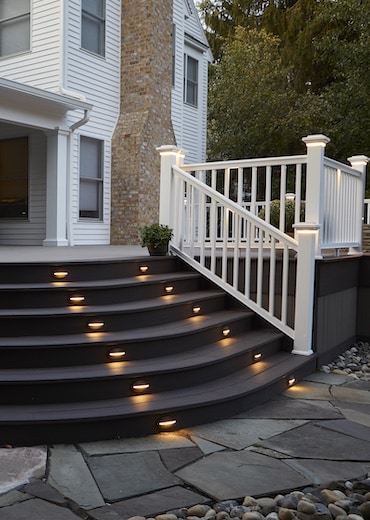
Before you start shopping for deck lighting, it's important to define your lighting goals. Consider the purpose of the lighting: do you want to create a warm and cozy ambiance, increase safety and security, or highlight specific features of your deck? Understanding your objectives will help you determine the types of lighting fixtures and their placement.
Consider Lighting Zones: To create a balanced and visually appealing deck lighting scheme, consider dividing your deck into different lighting zones. This allows you to control and adjust the lighting levels based on the specific areas and activities taking place on your deck. Common zones include task lighting for cooking or dining areas, accent lighting for focal points, and ambient lighting for overall illumination.
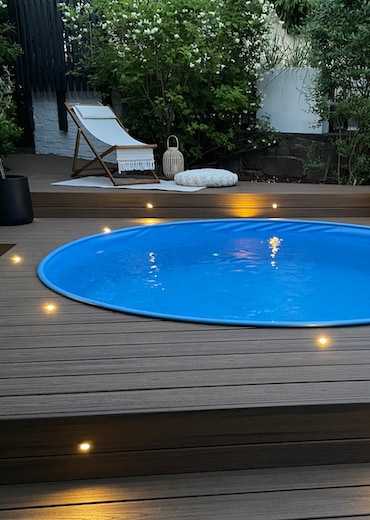
Style and Design: Deck lighting should complement the style and aesthetics of your outdoor space. Consider the architectural elements, color scheme, and overall design of your deck when selecting lighting fixtures. Whether you prefer a modern, rustic, or traditional look, there are lighting options available to suit your style.
Get Technical
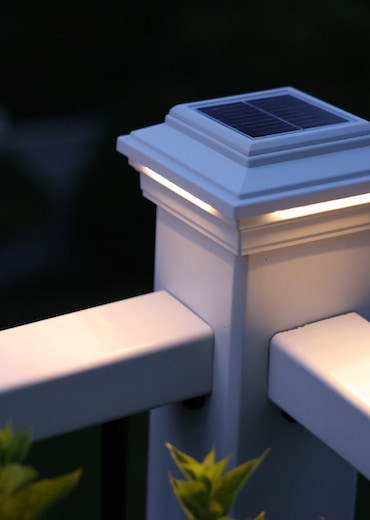
Energy Efficiency: Incorporating energy-efficient lighting options not only helps reduce your carbon footprint but also saves on electricity bills. Look for LED (Light Emitting Diode) lights, which are highly energy-efficient and have a longer lifespan compared to traditional incandescent bulbs. Additionally, consider using motion sensors or timers to control the operation of your deck lights and maximize energy efficiency.
Lighting Controls: To create the desired ambiance and functionality, consider incorporating lighting controls into your deck lighting design. Dimmers allow you to adjust the brightness levels, while timers and motion sensors provide convenience and energy savings. Smart lighting systems enable wireless control, allowing you to customize lighting scenes and schedules using a smartphone or voice commands.
Installation & Safety: Proper installation of deck lighting is crucial for both functionality and safety. If you are comfortable working with electrical wiring, you may choose to install the lights yourself. However, it is recommended to hire a licensed electrician for more complex installations to ensure compliance with local codes and regulations. Additionally, ensure that all outdoor lighting fixtures are rated for exterior use and are designed to withstand the elements.
Other Factors to Consider
Maintenance and Longevity: Consider the maintenance requirements and lifespan of the lighting options you choose. LED lights generally require minimal maintenance and have a longer lifespan compared to traditional bulbs. Opting for high-quality materials and weather-resistant fixtures ensures durability and longevity.
Budget Considerations: Set a budget for your deck lighting project, taking into account the cost of lighting fixtures, installation, and ongoing maintenance. Research different options and compare prices to find the best value for your investment. Remember that quality lighting fixtures may have a higher upfront cost but can provide better performance and longevity in the long run.
Choosing the perfect lighting options for your deck is essential to create a welcoming and functional outdoor space. By defining your lighting goals, considering different types of lighting, factoring in style, energy efficiency, and installation requirements, you can make an informed decision. Remember to prioritize safety, balance functionality with aesthetics, and consider long-term maintenance and budget considerations. With these guidelines, you are now equipped to embark on your journey of illuminating your deck and transforming it into a captivating outdoor sanctuary. Enjoy the beauty and ambience that well-planned and carefully chosen deck lighting can bring to your outdoor living experience.
How Can We Help?
Contact Us