























When to Repair or Replace Your Existing Fence
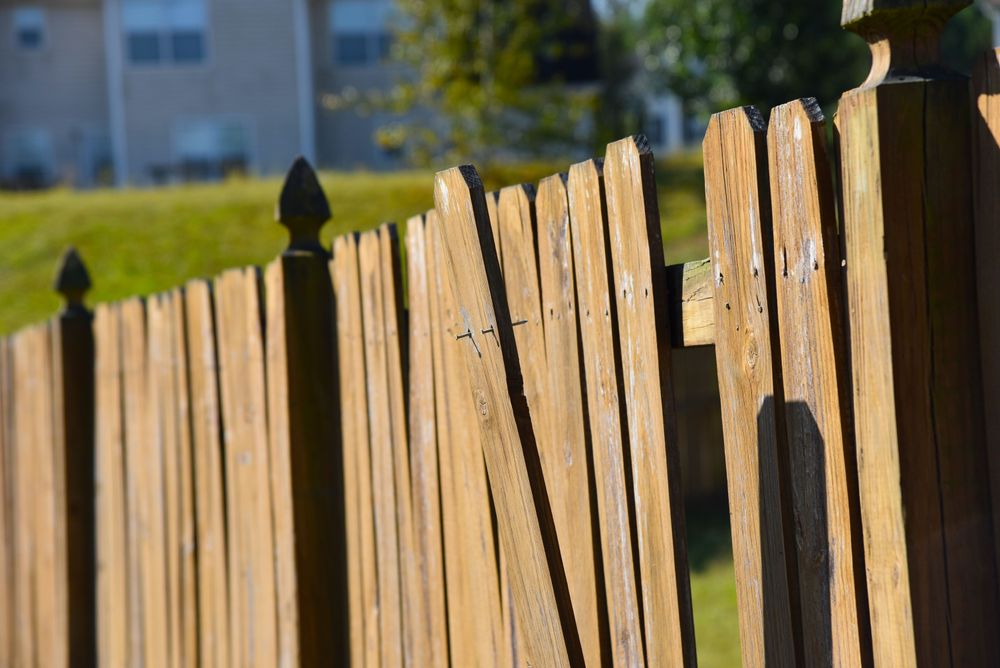
You’re standing there, eyeing that leaning post or those splintered pickets. Your mind immediately jumps to the big question: can I fix this, or am I looking at a complete teardown and rebuild? Deciding between fence repair or replacement isn't just about the immediate fix; it's a critical cost analysis that impacts your property's value, security, and aesthetics for years to come. Understanding the true fence repair vs replace cost requires a deep dive into the damage, the materials, and the long-term investment.
Assessing the Damage: Is Repair a Viable Option?
Before you pick up a shovel or order a truckload of new lumber, accurately assess the scope and nature of your fence's damage. Small, localized issues often warrant a targeted repair, saving you significant time and money.
Post Damage: A Foundation of the Fence
Fence posts are the backbone of your perimeter. Their condition often dictates whether repair is feasible.
- Localized Rot at the Base: If only the bottom 6-12 inches of a wooden post shows rot, and the rest of the post is sound, repair is a strong contender. Solutions include using a post repair spike (like a Simpson Strong-Tie E-Z Spike) driven alongside the existing post, or pouring a new concrete collar around the compromised base. For a more robust fix, you can cut the rotted section, attach a steel post repair bracket, and secure it in fresh concrete. This method avoids digging out the entire post.
- Split or Broken Post Above Ground: If a post has split or broken higher up due to impact or wood fatigue, and the base is still solid, you can often reinforce it. Depending on the severity, bolting sturdy 2x4 lumber sister boards to the post on two sides or using a heavy-duty steel brace can restore structural integrity.
- Widespread Post Failure: If 25% or more of your fence posts are severely compromised, leaning significantly, or completely rotted below ground, the cumulative effort and cost of individual repairs often push the balance towards total replacement. Digging out multiple concrete-set posts is labor-intensive and messy.
When working with concrete for post repairs or new installations, remember that proper curing is key. For best results, ensure air temperatures are consistently above 40°F (4°C) for at least 24-48 hours after pouring. Products like Quikrete Fast-Setting Concrete Mix can speed up the process.
Picket and Rail Issues: Surface-Level Fixes
These components are typically easier and more cost-effective to repair.
- Broken or Rotted Pickets: Individual pickets, whether cedar or pressure-treated pine, are straightforward to replace. Simply pry off the damaged picket, ensuring you remove all old fasteners, and nail or screw a new one in its place. For a seamless look, stain or paint the new picket to match the existing fence.
- Sagging or Broken Rails: Fence rails (typically 2x4s or 2x6s) can sometimes sag or break under stress. If a rail is only sagging, you might be able to re-secure it to the posts with stronger fasteners or add a metal angle bracket for support. A completely broken rail can often be repaired by splicing in a new section using steel mending plates or by securely attaching a new piece of lumber alongside the break, extending well past the damage on both sides.
Gate Malfunctions: Hardware and Alignment
Gates often suffer from wear and tear.
- Sagging Gates: A common issue, often due to heavy gates or inadequate hinges. You can often correct this by installing a gate anti-sag kit with a turnbuckle or by adding a diagonal brace (like a 2x4) from the top hinge side down to the bottom latch side. Replacing worn-out heavy-duty gate hinges is also an effective fix.
- Latch Problems: Latches are simple to replace or upgrade. Consider a heavy-duty gate latch for better security and longevity.
When Total Replacement Becomes the Smarter Investment
While repair saves immediate costs, there are clear indicators when a full replacement offers better long-term value and avoids continuous, piecemeal repairs.
- Widespread Structural Failure: Beyond isolated post issues, if multiple sections of your fence are leaning significantly, posts are failing en masse, or rails are universally deteriorated, replacing the entire fence is usually more efficient.
- Age and Deterioration: Even well-maintained wood fences have a lifespan, typically 15-20 years. If your fence is approaching or past this age and shows widespread signs of rot, insect damage, or significant weathering, a full replacement with new, quality materials (like pressure-treated lumber) is often the best choice for peace of mind.
- Outdated Aesthetics or Functionality: Perhaps you inherited a dilapidated chain-link fence but desire the privacy and curb appeal of a wood privacy fence. Or your current fence is simply too short to contain pets or children. In these cases, the functional and aesthetic benefits of a new fence outweigh the cost of trying to revitalize a structure that doesn't meet your needs.
- Significant Pest Damage: If termites, carpenter ants, or other pests have extensively damaged multiple sections or posts, a full replacement helps ensure the issue is completely addressed, preventing future infestations.
Calculating Your Fence Repair vs Replace Cost
Understanding the financial implications is key to your decision.
For repairs, calculate material costs for specific lumber (e.g., individual 2x4s, a bundle of cedar pickets), concrete, hardware (fasteners, hinges, brackets), and any necessary tools or rentals. Factor in your time if it’s a DIY project, or labor costs if hiring a professional. A simple gate hinge replacement might be $30 in materials and an hour of your time. Replacing five rotted posts could easily run $250-$400 in materials (posts, concrete, gravel, fasteners) and a full day or more of labor.
For replacement, consider the linear footage of your fence and the type of materials you'll use. A new pressure-treated pine privacy fence will have a different cost per linear foot than a vinyl fence or split-rail fence. Factor in lumber for posts, rails, and pickets, gravel, concrete, fasteners, gate kits, and potentially stain or sealant. Don't forget disposal costs for the old fence. While the upfront cost of replacement is higher, consider the extended lifespan (20+ years for a new, quality wooden fence with proper maintenance) and reduced future maintenance.
When applying stain or sealant to a new or repaired wooden fence, always check the product's temperature guidelines. Typically, an ambient temperature between 50-90°F (10-32°C) is ideal for proper adhesion and curing, usually best done on a dry day with no rain in the forecast.
Ultimately, the choice between repair and replacement hinges on a thorough assessment of your fence's condition against your budget and long-term goals. Sometimes, spending a bit more now on a full replacement prevents recurring repair headaches and provides a superior outcome for your property.
If you're weighing your options or ready to tackle your fence project, our knowledgeable team at R.P. Lumber can walk you through the various material choices and provide practical advice on both repair techniques and new fence construction. Stop by any R.P. Lumber location and ask about our fencing lumber and hardware options — our staff can help you compare the fence repair vs replace cost for your specific needs.