























Basement Finishing ROI: Maximizing Value and Curbing Costs
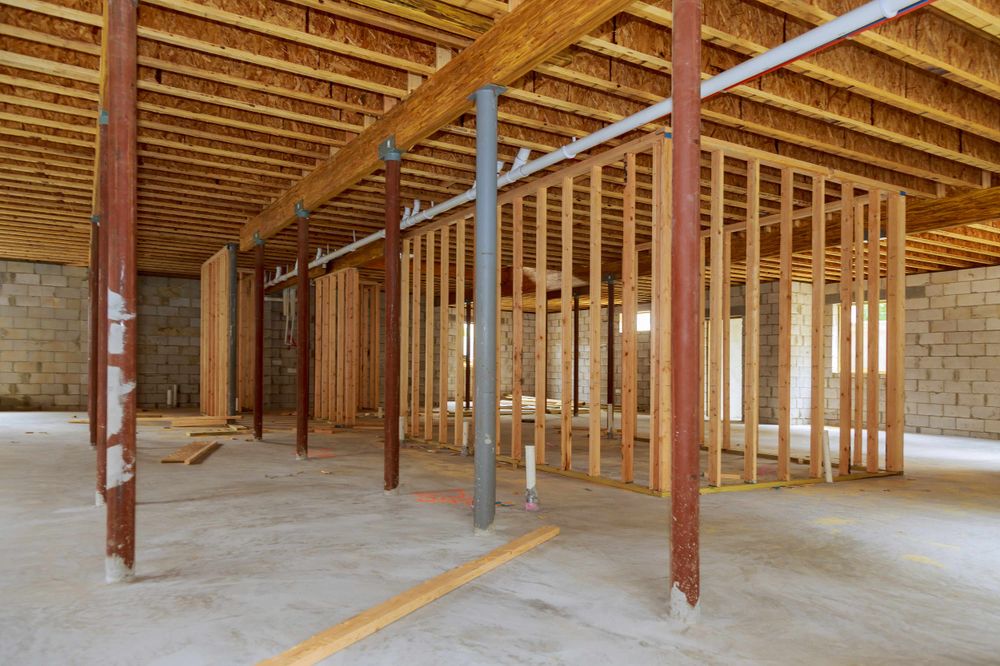
So, you’re thinking about finishing your basement? Smart move! In the Midwest, a finished basement can significantly increase your home's value and provide much-needed extra living space. But before you start swinging a hammer, let's talk about the costs. Knowing where your money goes and how to make smart choices can be the difference between a dream space and a budget-busting headache.
Understanding the Key Cost Drivers
The price of finishing your basement can vary wildly depending on several factors, including the size of the space, the materials you choose, and the complexity of the project. Here's a breakdown of the major cost drivers:
Framing and Insulation: The Foundation of Your Project
This is where your project begins. Framing out the walls and ceiling establishes the layout of your new space. Consider using steel studs for added durability and resistance to moisture – especially in a basement environment. Ensure proper insulation is installed to prevent heat loss and moisture buildup. Spray foam insulation is a good option for sealing cracks and creating a tight thermal envelope. Always check your local building codes for the required R-value of your insulation.
Drywall and Finishing: Creating the Walls
Drywall is a crucial component of a basement finishing project. The cost depends on the type and quantity of drywall needed. Moisture-resistant drywall is essential for basement projects and can mitigate future damage from any water issues. Plan to include materials like joint compound, corner bead, and tape for a professional finish.
Flooring: Underfoot Considerations
Flooring choices drastically impact the budget and aesthetics of your finished basement. Luxury Vinyl Plank (LVP) is a popular choice for its durability, water resistance, and ease of installation. It's also a budget-friendly option compared to hardwood. Consider your basement's specific conditions when selecting flooring, as moisture resistance is key.
Electrical and Plumbing: Essential Infrastructure
This is where things can get complex and costly. Plan carefully for electrical outlets, lighting, and any plumbing needs (like adding a bathroom). Hiring a licensed electrician and plumber is a must for safety and to meet building codes. This can represent a significant portion of your overall basement finishing cost, so budget accordingly.
Smart Material Choices for Cost Savings
While you don't want to skimp on quality, there are smart ways to save money without sacrificing the finished product.
Lighting: Consider LED Options
LED lighting offers significant energy savings over traditional incandescent bulbs. They also last much longer, reducing replacement costs. Think about a combination of recessed lighting, task lighting, and accent lighting to create a functional and inviting space.
Paint: Quality Matters
While paint may seem like a small line item, it can significantly impact the look and feel of your finished basement. Opt for a high-quality paint with moisture resistance and durability. The color you choose can also impact the perceived size of the space; lighter colors can make a basement feel larger.
Calculating Your Basement Finishing Costs
Before you start, create a detailed budget, and obtain several quotes from contractors. Be sure to consider all aspects of the project, including labor costs, permits, and unforeseen expenses. Don't forget to factor in the cost of tools you might need. If you're tackling this project as a DIY endeavor, be realistic about your skills and the time commitment involved.
Ready to take the next step? Visit your local R.P. Lumber to discuss materials for your project. Our knowledgeable staff can help you with your material list and even provide advice on potential cost savings.