





















Mastering Deck Footing Design and Installation for Midwestern Frost Cycles
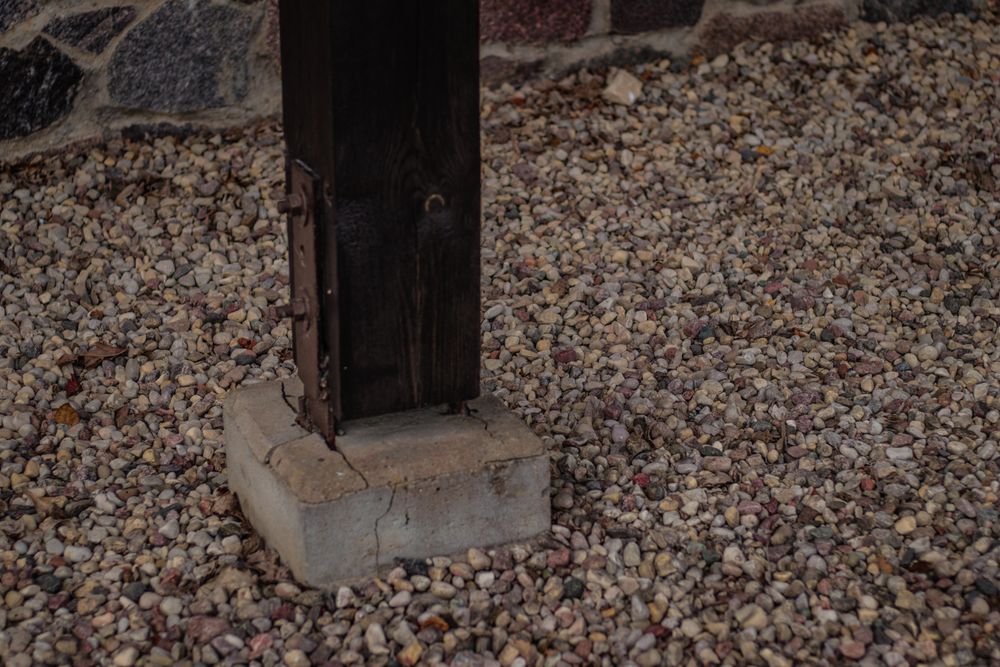
A beautiful deck can transform your outdoor living, but its longevity hinges entirely on a stable foundation. In the Midwest, this means contending with significant frost heave, a natural enemy to any structure not properly anchored. Ignoring local deck footing code requirements or cutting corners on installation isn't just a risk; it's a guarantee of future headaches, including uneven decking, compromised structural integrity, and costly repairs. Building it right the first time involves a deep understanding of footing design and meticulous execution.
Understanding Midwestern Frost Cycles and Your Deck Footing Code
The critical challenge for any ground-supported structure in the Midwest is frost heave. This occurs when moisture in the soil freezes, expands, and pushes upward, lifting anything in its path. As temperatures rise, the ice melts, and the soil settles, often unevenly. This constant cycle of lifting and settling puts immense stress on deck posts and can quickly turn a level deck into a rollercoaster.
The Dangers of Frost Heave
Left unchecked, frost heave can cause deck posts to shift laterally, twist, or lift entirely. This movement translates directly to joist and decking problems: uneven surfaces, loose railings, and compromised connections. The solution is to extend footings deep enough to reach below the frost line – the maximum depth to which soil typically freezes.
Local Building Department Requirements
Every municipality in the Midwest has specific requirements for footing depth, diameter, and reinforcement, all designed to counteract frost heave and ensure structural safety. While common frost depths range from 42 to 48 inches, your local building department is the definitive source for the exact deck footing code standard in your area. Always consult them before digging, as these codes dictate minimums for a reason. At R.P. Lumber, our knowledgeable staff can often help point you toward these local resources and provide guidance on materials that meet or exceed these requirements.
Choosing the Right Footing System
Selecting the correct footing system is crucial for a stable deck. Two primary methods are prevalent for residential decks.
Traditional Concrete Piers
The most common approach involves pouring concrete piers. This method typically uses a Sonotube or similar cardboard form to create a cylindrical concrete column.
- Spread Footing (Bells): For heavier decks or weaker soil, a wider base, often bell-shaped, can be formed at the bottom of the excavation to distribute the load over a larger area, reducing the risk of settlement. This is achieved by hand-digging a wider base or using a purpose-built "bell" tool.
- Diameter: Common pier diameters range from 8 to 12 inches, depending on the deck's load and local code. Always size up if in doubt.
- Reinforcement: Vertical rebar, typically two or three lengths of #4 (1/2-inch) or #5 (5/8-inch) rebar, should extend from the bottom of the footing to within a few inches of the top, ensuring tensile strength and preventing cracking.
Helical Piles
For specific situations, helical piles (also known as screw piles) offer an alternative. These are steel shafts with helical plates that are screwed into the ground by specialized equipment, bypassing the need for excavation and concrete curing time. They are particularly useful in areas with difficult soil conditions, high water tables, or when minimal disruption to the landscape is desired. While often a more expensive option, their immediate load-bearing capacity and resistance to frost heave can be invaluable.
Executing the Footing Installation
Precision in installation is paramount for long-term stability.
Excavation Depth and Diameter
Once you've confirmed the local frost depth (e.g., 48 inches in many Midwestern locales), excavate holes to that exact depth, plus an additional 6-12 inches for a gravel base. This gravel base (typically 4-6 inches of compacted granular fill) provides drainage and prevents the bottom of the footing from resting directly on disturbed soil, which can settle over time. Ensure the hole diameter accommodates your chosen pier form with enough room for backfilling.
Concrete Mix and Reinforcement
For deck footings, a minimum of 3,000 PSI (pounds per square inch) concrete is generally recommended, though 4,000 PSI offers greater durability. When mixing concrete on-site, ensure proper water-to-cement ratios for optimal strength; too much water weakens the mix.
- Rebar Placement: Position your vertical rebar cages carefully, ensuring they are centered and maintain appropriate cover (at least 1.5 inches from the edge of the form) to prevent corrosion. The rebar should stop short of the very bottom to allow the concrete to flow underneath and key into the gravel base, and also be a few inches below the top to prevent direct contact with post anchors.
Pouring and Curing Best Practices
Pour concrete in stages, tamping or vibrating it thoroughly to eliminate air pockets (voids) that weaken the footing. Ensure the top of the pier is level and smooth. Concrete strength develops as it cures, a process that requires adequate moisture and temperature. Ideally, pour concrete when temperatures are consistently above 40°F (4°C) and protect freshly poured footings from direct sun, wind, or freezing temperatures for at least 7 days by covering them with plastic sheeting or burlap kept damp. Rapid drying or freezing during the initial curing phase can significantly compromise concrete strength.
Attaching Post Anchors
Before the concrete fully sets, embed galvanized post anchors (also known as post bases or standoff bases) into the top of each pier. These anchors elevate the deck post off the concrete, protecting it from moisture and rot, while securely connecting it to the footing. Use anchors designed for your post size (e.g., 4x4 or 6x6) and ensure they are perfectly plumb and aligned with your deck layout.
By meticulously following these steps and adhering strictly to your local deck footing code guidelines, you'll establish a rock-solid foundation that will support your outdoor living space for decades to come, shrugging off even the harshest Midwestern winters.
Ready to dig in? Stop by any R.P. Lumber location and speak with our staff about your deck footing project. We can help you select the right Sonotubes, rebar, and concrete mix tailored to your specific needs and local code requirements.