









Pros and Cons: Engineered Siding vs. Traditional Vinyl Siding
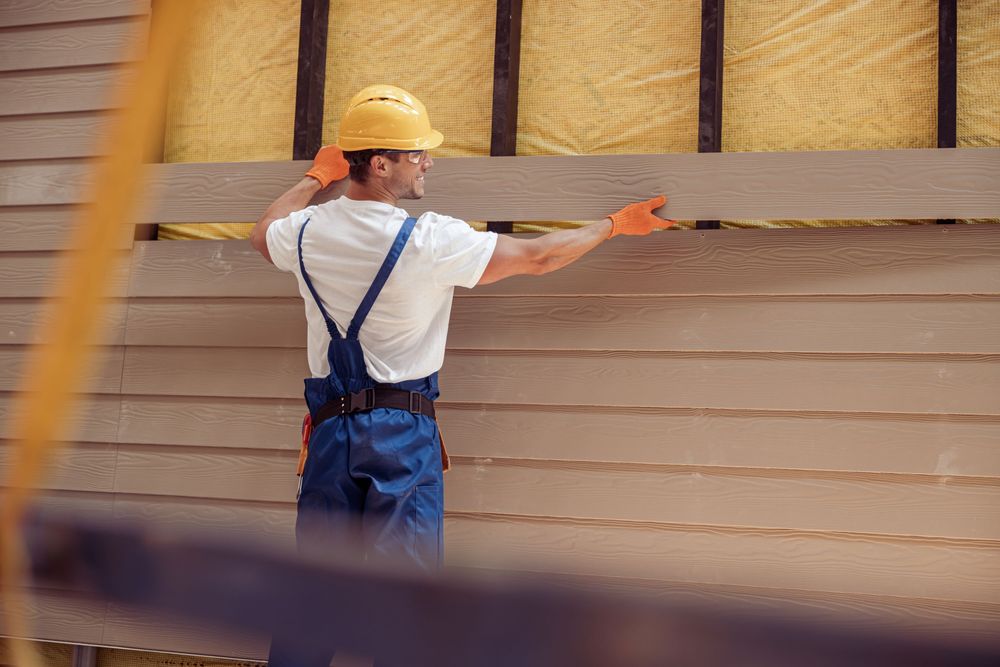
When it comes to choosing the right siding material for your home, there are several options available in the market. Engineered siding and traditional vinyl siding are two popular choices that offer durability, curb appeal, and low maintenance requirements. In this blog post, we will compare the pros and cons of engineered siding and traditional vinyl siding, helping you make an informed decision that suits your specific needs and preferences.
ENGINEERED SIDING - PROS
Enhanced Durability: Engineered siding, such as fiber cement or composite siding, is known for its exceptional durability. It is resistant to warping, rotting, and insect damage, making it a long-lasting option for your home. Engineered siding can withstand harsh weather conditions, including high winds, heavy rain, and extreme temperatures, ensuring the integrity of your home's exterior over time.
Aesthetically Pleasing: Engineered siding offers a wide range of design options, including various textures, finishes, and colors. With the advancement in technology, engineered siding can mimic the look of natural materials, such as wood or stone, providing a high-end aesthetic appeal to your home. Whether you prefer a traditional or modern look, engineered siding can complement any architectural style.
Low Maintenance: One of the significant advantages of engineered siding is its low maintenance requirements. Unlike wood siding that needs regular painting, staining, and sealing, engineered siding is designed to be highly resistant to fading, peeling, and chipping. It requires minimal upkeep, typically limited to occasional cleaning with a mild detergent and water, saving you time and money in the long run.
Fire Resistance: Some engineered siding - specifically fiber cement siding - offers excellent fire resistance compared to traditional vinyl siding. Fiber cement is non-combustible and can help protect your home from potential fire hazards. This fire resistance feature provides peace of mind and an added layer of safety for homeowners. (Note: Composite Siding does not offer the same fire resistance properties. Please ask an R.P. Lumber expert about your options.)
Eco-Friendly: Many engineered siding materials, such as fiber cement, are eco-friendly options. They are made from sustainable and recyclable materials, reducing the impact on the environment. Additionally, some engineered siding products are manufactured using fewer natural resources than traditional vinyl siding, making them a greener choice for environmentally conscious homeowners.
ENGINEERED SIDING - CONS
Higher Initial Cost: Engineered siding tends to have a higher upfront cost compared to traditional vinyl siding. The higher cost is primarily due to the manufacturing process and the premium materials used. However, it's important to consider the long-term benefits and durability that engineered siding offers, which may outweigh the initial investment.
Installation Complexity: Installing engineered siding can be more complex and time-consuming than traditional vinyl siding. It often requires specialized tools and techniques, as well as professional installation expertise. While some experienced DIYers may choose to tackle the installation themselves, hiring a professional ensures proper installation and maximizes the benefits of the siding material.
TRADITIONAL VINYL SIDING - PROS
Cost-Effective: Traditional vinyl siding is known for its affordability. It is generally less expensive than engineered siding, making it a budget-friendly option for homeowners. The lower cost of vinyl siding allows you to allocate more resources to other home improvement projects or invest in additional features for your home.
Low Maintenance: Similar to engineered siding, vinyl siding requires minimal maintenance. It is resistant to rotting, peeling, and insect damage, eliminating the need for painting or staining. Vinyl siding can be easily cleaned with a hose and mild detergent, keeping your home's exterior looking fresh and vibrant with minimal effort.
Wide Range of Colors and Styles: Vinyl siding offers a broad selection of colors and styles, allowing homeowners to choose the option that best suits their personal taste and complements the architectural style of their home. Whether you prefer a traditional or contemporary look, vinyl siding provides ample choices to enhance your home's curb appeal.
Easy Installation: Vinyl siding is relatively easy to install, making it a popular choice for DIY enthusiasts. With proper preparation and some basic tools, homeowners can successfully install vinyl siding themselves, saving on installation costs. However, it's important to note that professional installation ensures a flawless finish and maximizes the longevity of the siding.
TRADITIONAL VINYL SIDING - CONS
Limited Durability: While vinyl siding is durable, it may not be as resilient as engineered siding. It can be susceptible to cracking or warping under extreme weather conditions, such as intense heat or severe cold. Additionally, high-impact events, such as hailstorms or flying debris, can cause damage to vinyl siding, requiring repair or replacement.
Fading and Color Options: Vinyl siding, over time, may fade due to exposure to sunlight and other environmental factors. The color options for vinyl siding are also limited compared to engineered siding. While there is a wide range of colors available, some homeowners may prefer the ability to customize the color or achieve a more natural look.
When choosing between engineered siding and traditional vinyl siding, it's essential to consider the specific needs and priorities for your home. Engineered siding offers enhanced durability, aesthetic appeal, and low maintenance, making it a suitable choice for homeowners seeking long-term value. Traditional vinyl siding, on the other hand, provides affordability, low maintenance, and ease of installation. By weighing the pros and cons of each option, you can make an informed decision that aligns with your budget, style preferences, and long-term goals for your home's exterior.