



















10 Tips Power Strip and Extension Cord Safety
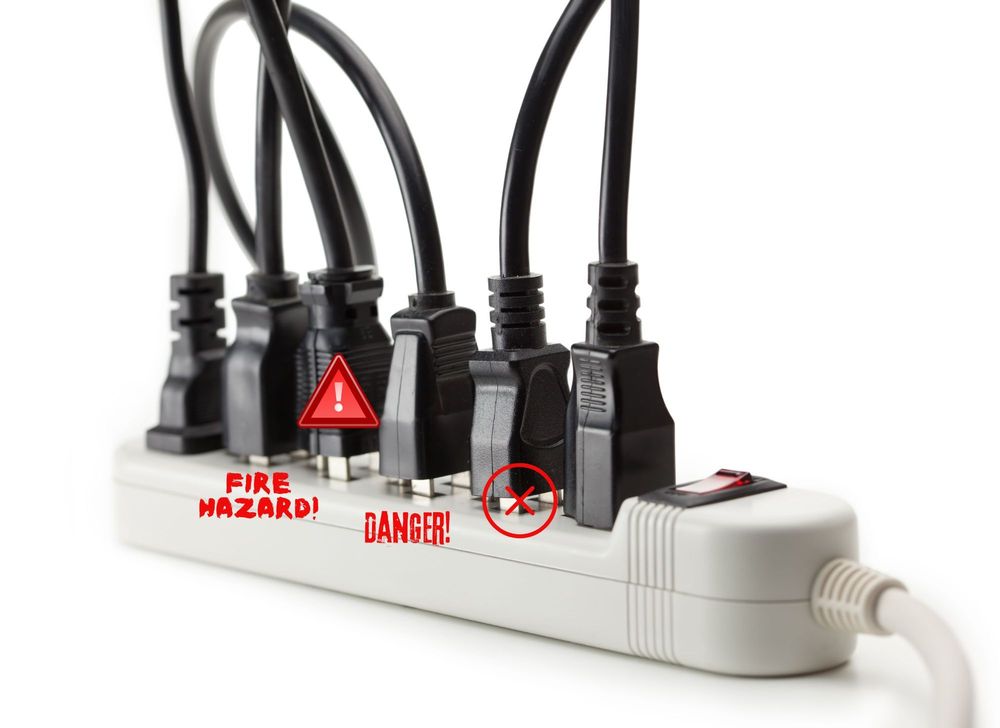
Power strips and extension cords are essential tools for managing electrical devices and expanding the reach of power sources in our homes and workplaces. However, using them improperly can pose significant safety risks. In this blog post, we will provide 10 important recommendations to ensure the safe and effective use of power strips and extension cords. By following these guidelines, you can minimize the risk of electrical hazards and protect your property and loved ones.
1) Choose Quality Products: Invest in high-quality power strips and extension cords from reputable manufacturers. Look for safety certifications, such as UL or ETL, which ensure that the products meet rigorous safety standards. Quality construction and design reduce the chances of electrical malfunctions and minimize fire hazards.
2) Avoid Overloading: Never overload a power strip or extension cord by plugging in too many devices. Each power strip has a maximum load capacity indicated on the label. Ensure that the combined wattage of the connected devices does not exceed this limit. Overloading can cause overheating, leading to fires or damage to the electrical system.
3) Inspect Regularly: Inspect power strips and extension cords regularly for any signs of damage, such as frayed wires, exposed conductors, or loose connections. Discard and replace damaged cords immediately to avoid electrical shock or fire risks.
4) Proper Placement: Place power strips and extension cords in well-ventilated areas, away from heat sources, and out of reach of children and pets. Avoid placing them under carpets or rugs, as this can cause overheating. Ensure that they are not pinched or crushed by furniture or heavy objects.
5) Unplug Unused Devices: When not in use, unplug devices from power strips or extension cords. Leaving them plugged in can increase the risk of electrical hazards, such as short circuits or power surges. Additionally, it helps conserve energy and reduces the chances of fire hazards.
6) Don't Daisy Chain: Avoid connecting multiple power strips or extension cords in a series, commonly known as "daisy chaining." This practice can overload the electrical system and increase the risk of overheating or electrical fires. Instead, use a single power strip or extension cord that can accommodate all your devices.
7) Match Cord Length to the Application: Choose extension cords with an appropriate length for the intended use. Using excessively long cords can lead to unnecessary tangles and increase the risk of tripping hazards. On the other hand, using cords that are too short may require the use of additional connectors, which can compromise safety.
8) Outdoor Use Precautions: When using power strips or extension cords outdoors, ensure they are specifically designed for outdoor use and have appropriate weatherproof ratings. Outdoor cords are made with extra insulation to withstand moisture, sunlight, and other environmental factors. Always keep outdoor cords protected from water and avoid running them across paths where they can be damaged or pose a tripping hazard.
9) Store Properly: Store power strips and extension cords in a cool, dry place when not in use. Avoid tightly coiling them, as this can cause damage to the wires over time. Use cord reels or organizers to keep them neatly stored and untangled, reducing the risk of fraying or tangling.
10) Educate Family Members: Educate your family members, especially children, about power strip and extension cord safety. Teach them not to play with cords, avoid pulling them out by yanking the cord, and understand the potential dangers of electrical hazards. Encourage responsible usage and emphasize the importance of safety precautions.
Power strip and extension cord safety should be a top priority for every homeowner. By following these 10 essential recommendations, you can ensure the safe and effective use of these electrical tools. Remember to choose quality products, avoid overloading, regularly inspect cords for damage, and place them properly. Unplug unused devices, avoid daisy chaining, match cord length to the application, take precautions for outdoor use, store cords properly, and educate your family members about safety. By implementing these guidelines, you can protect your home, prevent electrical hazards, and promote a safe environment for everyone.