






















Is your water heater leaking, no longer producing hot water, or making mysterious noises? It’s probably time for a replacement, and choosing the right water heater for your home is a significant decision that requires careful consideration. With numerous options available in the market, it's essential to evaluate various factors to ensure you select a water heater that meets your needs and provides efficient and reliable hot water supply. In this blog post, we will discuss the top 11 considerations homeowners should keep in mind when purchasing a water heater for professional installation.
1) Fuel Type: The fuel type you choose for your water heater can impact energy efficiency, costs, and environmental impact. Natural gas and propane heaters tend to offer cost-effective operation, while electric and solar options provide environmentally friendly alternatives. It's crucial to weigh these factors based on your location, utility costs, and sustainability goals.
2) Tank Style: Water heater tank options include traditional, heat-pump style, and tankless. Traditional tank-style water heaters store hot water in a tank, heat pump-style water heaters use heat pump technology to transfer heat to the water, and tankless water heaters heat water on demand without the need for a storage tank. Each type has its advantages and considerations regarding energy efficiency, hot water delivery, and upfront costs.
3) Tank Size and Capacity: Determining the appropriate tank size and capacity is vital for meeting your household's hot water demands. Factors such as the number of occupants, peak usage times, and hot water usage patterns will influence your decision. A water heater that can accommodate your needs without constant reheating is essential for efficiency.
4) Energy Efficiency: Opting for an energy-efficient water heater not only reduces utility bills but also minimizes your carbon footprint. High Energy Factor (EF) ratings, effective insulation, and programmable settings are all features to consider. Energy-efficient heaters maximize heat retention and minimize heat loss, ultimately saving you money in the long run.
5) Recovery Rate: The recovery rate of a water heater determines how quickly it can heat a new supply of water. This rate is particularly crucial during periods of high demand, such as mornings when multiple family members are preparing for the day. Ensuring that your chosen water heater has an adequate recovery rate prevents interruptions in hot water supply.
6) Warranty: A comprehensive warranty is a valuable aspect of your water heater purchase. It provides protection against unexpected malfunctions and can extend the lifespan of your investment. When comparing warranties, consider coverage for parts, labor, and tank. A longer warranty period indicates the manufacturer's confidence in their product's durability.
7) Installation Space: Different types of water heaters require varying amounts of installation space. Tankless models save space compared to traditional tanks, making them suitable for homes with limited room. Heat pump water heaters may need more space due to their design. Assessing the available installation space ensures a proper fit for your chosen model.
8) Maintenance and Serviceability: Regular maintenance contributes to the efficiency and longevity of your water heater. Look for models with easily accessible components and self-cleaning mechanisms that simplify upkeep. Considering the ease of maintenance can save you time and money in the long run.
9) Recovery Efficiency: Recovery efficiency measures how efficiently the water heater converts energy into hot water. A higher recovery efficiency means less energy wasted during the heating process. This efficiency impacts your energy consumption and operating costs, making it an essential factor to evaluate.
10) Installation Cost: The upfront installation cost is a crucial consideration for homeowners on a budget. It encompasses equipment costs, necessary permits, and labor fees. Various factors, such as the complexity of installation, location, and the type of water heater, can influence the overall cost.
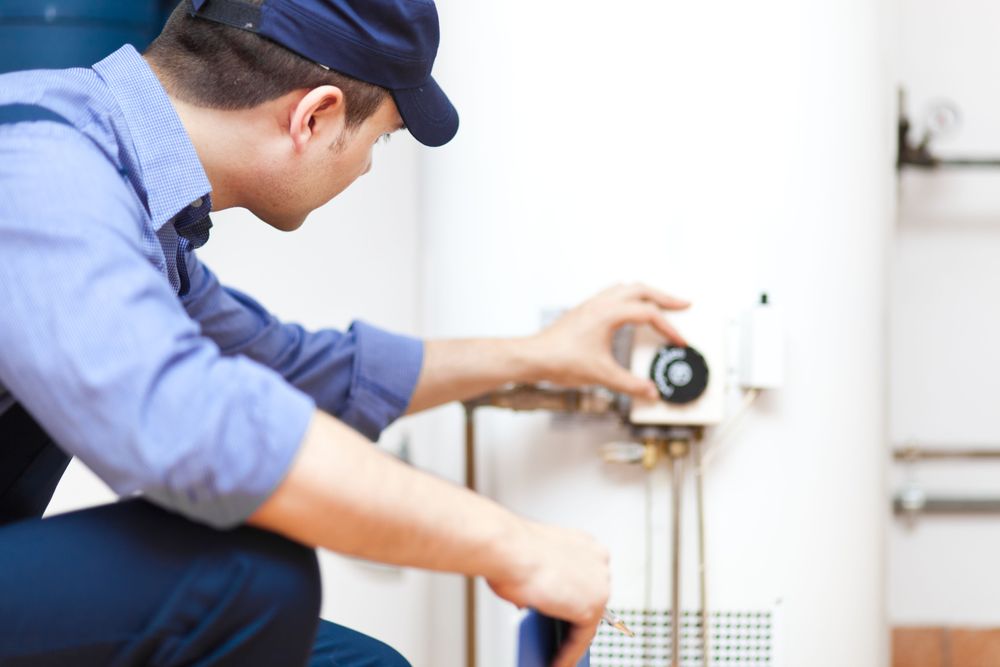
11) Professional Installation: Engaging a licensed professional for water heater installation is a non-negotiable step to ensure safety and compliance with local codes. Trained plumbers or HVAC technicians possess the expertise needed for proper setup and connections. Their experience minimizes the risk of errors that could lead to leaks, inefficiency, or safety hazards.
Selecting the right water heater for professional installation is a decision that impacts your home's hot water supply, energy consumption, and long-term costs. By considering factors such as fuel type, tank size, energy efficiency, warranty, and installation requirements, you can make an informed purchasing decision. Remember to consult with a reputable professional, evaluate your household's hot water needs, and prioritize energy-efficient options.
Still confused? Talk to a knowledgeable associate at your local R.P. Lumber to learn more about the features and benefits you may need to prioritize when shopping for a new water heater. Through careful selection and professional installation, you can enjoy reliable hot water while reducing energy consumption and minimizing your environmental impact.