





















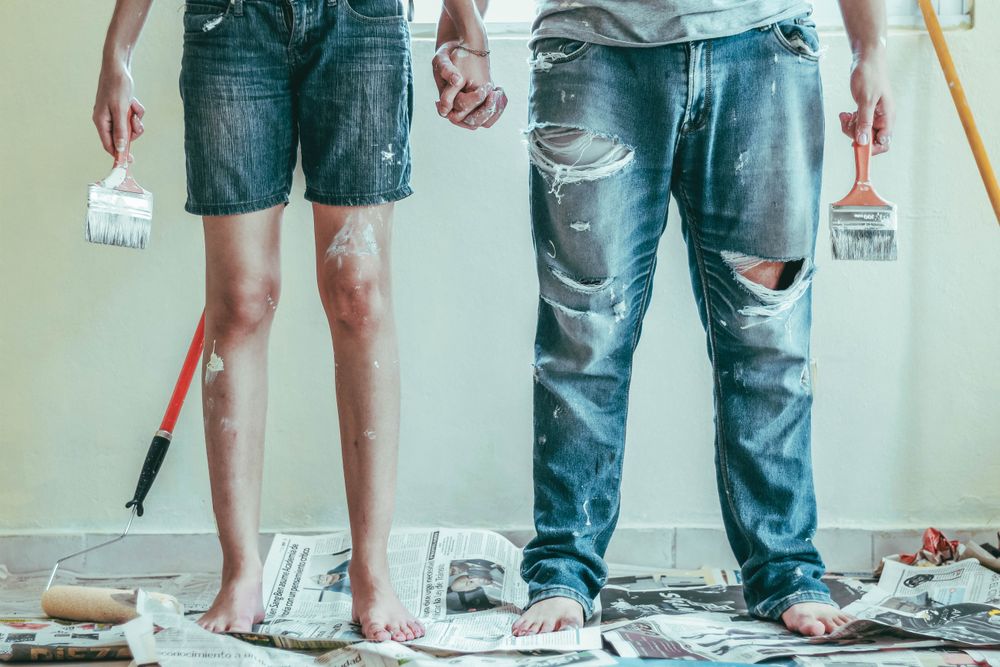
Painting a room can transform its appearance and breathe new life into your space. Whether you're a seasoned DIY enthusiast or a beginner, these 10 tips will help you achieve professional-looking results. From prepping the room to applying the final coat, follow these guidelines to ensure a smooth and successful painting project.
1) Prepare the Room: Before you start painting, take the time to prepare the room. Remove furniture, cover the floor with drop cloths or plastic sheets, and protect any fixtures or trim with painter's tape. Clean the walls to remove dirt, dust, and grease.
2) Choose the Right Paint: Selecting the right paint is crucial for a successful project. Consider factors such as the room's lighting, desired finish, and the type of paint suitable for the surface. Opt for high-quality paints that offer better coverage and durability.
3) Test Colors: Don't skip the step of testing colors before committing to a shade. Paint a small area on the wall or use sample boards to see how the color looks under different lighting conditions. This will help you make an informed decision and avoid any regrets later.
4) Prepare the Surfaces: Ensure a smooth and even paint application by properly preparing the surfaces. Fill any holes or cracks with spackle, sand rough spots, and smooth out imperfections. Use a primer to create an ideal base for the paint and improve its adhesion.
5) Use Quality Tools and Brushes: Invest in high-quality paintbrushes, rollers, and other painting tools. Quality tools will help you achieve better coverage, reduce streaks or brush marks, and make the job easier. Take care of your brushes by cleaning them properly after each use.
6) Practice Proper Technique: Mastering proper painting techniques is essential for professional-looking results. Use long, even strokes and maintain a consistent pressure to achieve an even coat. Start from the top and work your way down, blending wet edges to avoid visible lines.
7) Use a Primer: Applying a primer is particularly important when painting over dark or uneven surfaces. A primer helps to seal the surface, enhances the paint's coverage, and ensures true color representation. It also provides better adhesion and can help the paint last longer.
8) Take Breaks and Allow Drying Time: Painting can be time-consuming, so remember to take breaks and allow proper drying time between coats. Follow the paint manufacturer's instructions for drying times, which can vary depending on factors like humidity and temperature. Rushing the process can lead to uneven results.
9) Protect Yourself and Ventilate: Prioritize safety during your painting project. Wear protective clothing, including goggles and gloves, to shield yourself from paint splatters. Ensure proper ventilation by opening windows or using fans to minimize fumes and promote faster drying.
10) Clean Up and Maintain: Once you've completed the painting project, clean up properly. Remove painter's tape before the paint fully dries to achieve clean, crisp lines. Clean brushes and rollers according to the paint manufacturer's instructions, and store them in a proper manner for future use.
By following these tips, you can confidently paint a room and achieve professional-looking results. Proper preparation, using high-quality materials, and mastering painting techniques are key to success. Remember to take your time, be patient, and enjoy the process. For help choosing the right paint and paint accessories, talk to an expert at your local R.P. Lumber. With a little effort and professional advice, you'll transform your space with a fresh coat of paint that reflects your style and enhances your home's interior for years to come.
How Can We Help?
If you need a quote or have a question about our products or services, please message us!
Contact Us