




















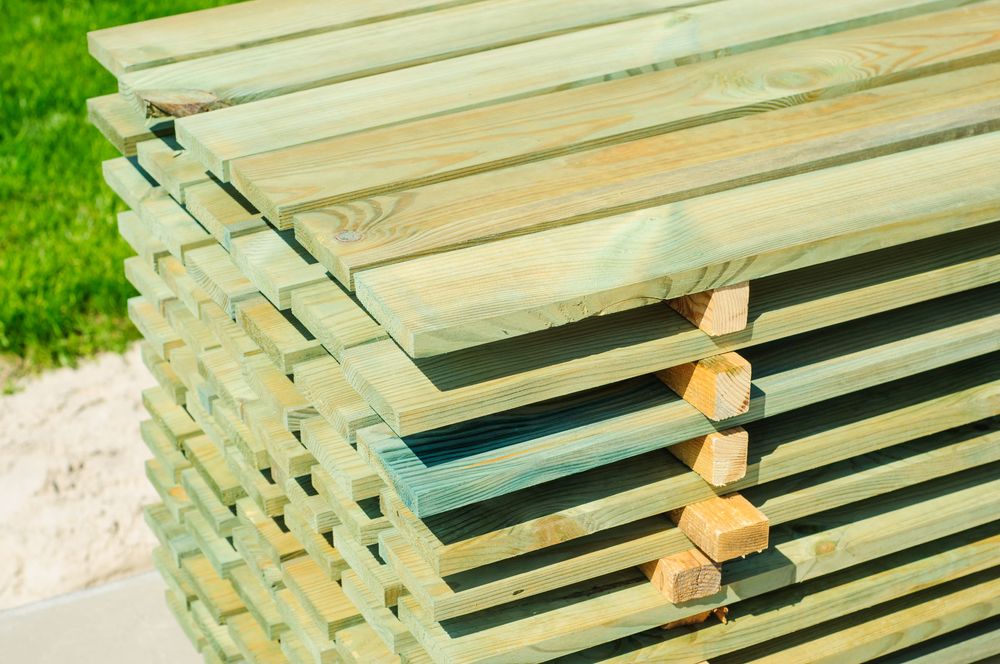
Building durable outdoor structures requires more than just good plans and sturdy framing. The lumber you choose, especially for components exposed to the elements or direct soil contact, dictates how long your project will last. This pressure treated lumber guide dives into the specifics of treated lumber formulations, helping you make an informed decision for exceptional longevity.
You might assume all "pressure-treated" lumber is the same, but the reality is more nuanced. Different chemical treatments, and their concentration, are engineered for specific exposure levels. Using the wrong type can lead to premature rot, insect damage, or unnecessary expense.
Ground Contact vs. Above Ground: The Critical Distinction
The most fundamental decision when selecting pressure-treated lumber revolves around its intended exposure:
Ground Contact (UC4A/UC4B)
Lumber rated for ground contact is formulated for severe exposure conditions. This includes any wood that will be in direct contact with the soil, embedded in concrete, or installed with inadequate ventilation that traps moisture, leading to constant wetting. Common applications include:
- Fence posts set directly into the ground.
- Deck posts or columns that extend below grade or rest directly on soil.
- Sleeper joists placed directly on a concrete slab without a moisture barrier.
- Retaining wall timbers.
This lumber receives a higher concentration of preservative chemicals to withstand relentless moisture and microbial activity. Always look for lumber stamped with UC4A or UC4B for ground contact applications.
Above Ground (UC3B)
Lumber rated for above ground use is designed for components that are fully exposed to the weather but remain at least 6 inches above the ground and have good air circulation. While it will get wet, it's expected to dry out periodically. Examples include:
- Deck joists, beams, and deck boards.
- Fence rails and pickets.
- Porch framing and floorboards.
- Siding or trim that is close to the ground but not touching it.
This material has a lower preservative retention level than ground contact lumber, making it suitable for its intended purpose while often being more cost-effective. Look for lumber stamped with UC3B for above ground projects.
Important Note: It’s always acceptable to use ground contact rated lumber for above ground applications, but never the reverse. When in doubt, opt for ground contact material to ensure maximum rot resistance and insect protection.
Understanding Preservative Formulations: ACQ vs. MCA
Beyond ground contact ratings, the specific chemical compounds used in the pressure treatment process also differ. The two most common modern formulations are Alkaline Copper Quat (ACQ) and Micronized Copper Azole (MCA). Both are effective at protecting wood from decay fungi and insects, but they have distinct characteristics:
Alkaline Copper Quat (ACQ)
ACQ lumber has been a popular choice for many years. It uses copper as the primary fungicide and a quaternary ammonium compound ("quat") as a co-biocide.
- Appearance: Often has a slightly greener hue than MCA, which can weather to a brown or grey over time.
- Corrosion: ACQ is more corrosive to fasteners than traditional CCA-treated lumber. For any ACQ project, you must use hot-dipped galvanized fasteners (G90 coating or better) or stainless steel to prevent premature corrosion.
- Availability: Widely available and a proven performer for various outdoor projects.
Micronized Copper Azole (MCA)
MCA lumber is a newer generation of treatment that uses finely ground, microscopic copper particles suspended in a solution, along with azole co-biocides.
- Appearance: Often has a more natural, lighter wood appearance than ACQ, as the copper particles are less visible. This can be desirable for projects where aesthetics are important before staining.
- Corrosion: Generally considered less corrosive to fasteners than ACQ, though hot-dipped galvanized or stainless steel fasteners are still highly recommended and often required to ensure longevity.
- Workability: The micronized particles tend to leave the wood feeling smoother with less surface residue.
When you visit R.P. Lumber, our staff can walk you through the differences in appearance and recommended fasteners for each type of treated lumber we stock, helping you match the material to your project's needs.
Working with Treated Lumber
Regardless of the treatment formulation, some builders choose to apply an approved end-cut preservative to freshly cut surfaces, while others rely on the protection provided by today's pressure-treatment processes. For maximum durability, consult the manufacturer's recommendations for your specific product. When working with treated wood, wear gloves and a dust mask, and never burn treated wood scraps.
Choosing the right pressure-treated lumber isn't just about picking up "green wood" at the lumberyard. It’s about understanding the nuances of ground contact ratings and preservative formulations like ACQ and MCA. This pressure treated lumber guide should empower you to select the appropriate material, ensuring your outdoor projects stand strong for decades to come.
Stop by any R.P. Lumber location and ask our experts about our selection of ground contact and above ground pressure-treated lumber options—we’ll help you specify the right formulation for your next build.