























The Benefits of Choosing High-Quality Lumber
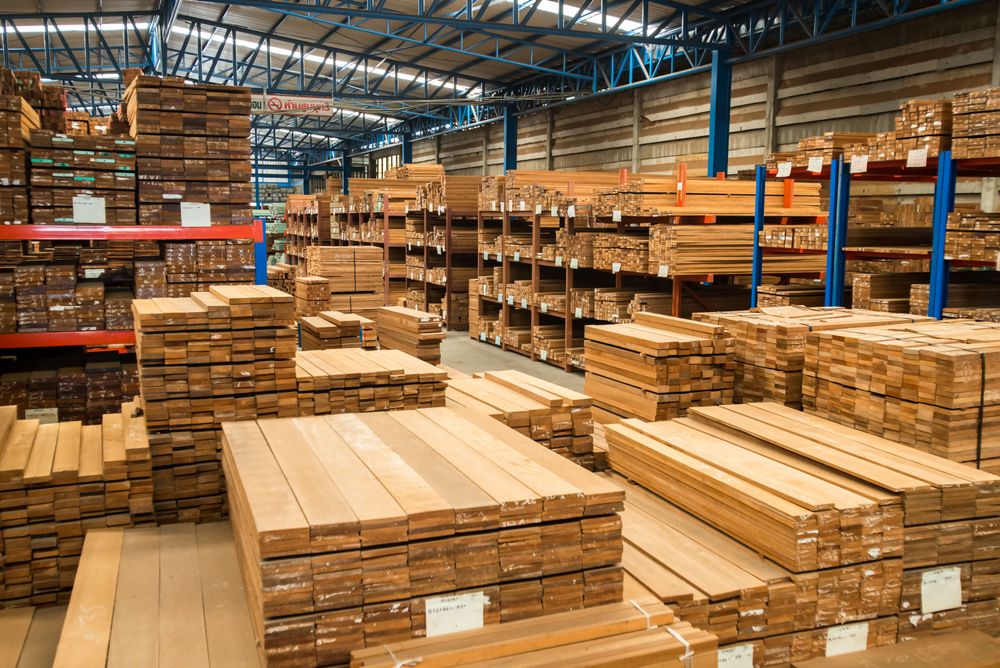
When it comes to construction projects, using high-quality lumber is essential for ensuring durability, longevity, and overall structural integrity. The type of lumber you choose can significantly impact the outcome of your building project. In this blog post, we will explore the numerous benefits of building with high-quality lumber and provide a comprehensive guide on how to shop for it.
PART 1: THE BENEFITS OF BUILDING WITH HIGH-QUALITY LUMBER
Durability and Longevity: High-quality lumber, sourced from well-managed forests and processed with care, offers superior durability and longevity. It is less prone to warping, splitting, and decay, ensuring that your structure remains strong and stable for years to come.
Enhanced Structural Integrity: Building with high-quality lumber provides peace of mind knowing that your structure is sound. It offers better weight-bearing capabilities and minimizes the risk of structural failure. This is particularly important for projects that require load-bearing elements, such as beams and joists.
Improved Aesthetic Appeal: High-quality lumber tends to have fewer knots, blemishes, and imperfections, resulting in a more visually appealing finished product. It allows for smoother finishes, making staining, painting, or natural wood finishes more enjoyable and aesthetically pleasing.
Ease of Workability: High-quality lumber is typically milled to precise dimensions, making it easier to work with during construction. It allows for accurate cutting, shaping, and joining, saving time and reducing waste. This is especially important for intricate projects that require precise measurements and tight-fitting joints.
PART 2: HOW TO SHOP FOR HIGH-QUALITY LUMBER
Research and Educate Yourself: Before shopping for high-quality lumber, educate yourself about the different types of lumber available, including softwood and hardwood species. Learn about their characteristics, grades, and applications. Understanding the grading system will help you select lumber that meets your specific project requirements.
Choose the Right Species: Consider the intended use of the lumber and select a species that is suitable for your project. Different species have varying levels of strength, durability, and resistance to insects and decay. For example, cedar is known for its natural resistance to rot and insects, making it ideal for outdoor projects.
Select the Appropriate Grade: Lumber is graded based on its appearance and structural properties. The grade indicates the quality and uniformity of the wood. Choose a grade that aligns with your desired aesthetic and structural requirements. Higher-grade lumber will have fewer knots and defects, while lower-grade lumber may be more affordable but may require more careful selection.
Check Moisture Content: Moisture content is crucial for the stability of lumber. Ensure that the lumber you choose has been properly dried and has a moisture content appropriate for your project. Wet or green lumber can shrink, warp, and cause structural issues over time. A moisture meter can help you determine the moisture content of the lumber.
Inspect for Defects: Thoroughly inspect each piece of lumber for defects such as knots, splits, cracks, or insect damage. Avoid lumber with large knots or other significant defects that could compromise its strength and stability. Small, tight knots are generally acceptable, but they should not compromise the structural integrity of the piece.
Seek Expert Advice: If you're unsure about selecting high-quality lumber, consult with a reputable lumberyard or building supply store. Their knowledgeable staff can guide you in choosing the right lumber for your specific project requirements. They can also provide valuable insights into pricing, availability, and any special considerations.
Building with high-quality lumber offers numerous benefits, including durability, enhanced structural integrity, improved aesthetics, and ease of workability. By following this guide on how to shop for high-quality lumber and consulting with an expert from a lumber dealer like R.P. Lumber, you can make informed decisions and ensure the success of your construction projects while contributing to sustainability efforts.