






DIY: How to Patch Drywall In 8 Simple Steps
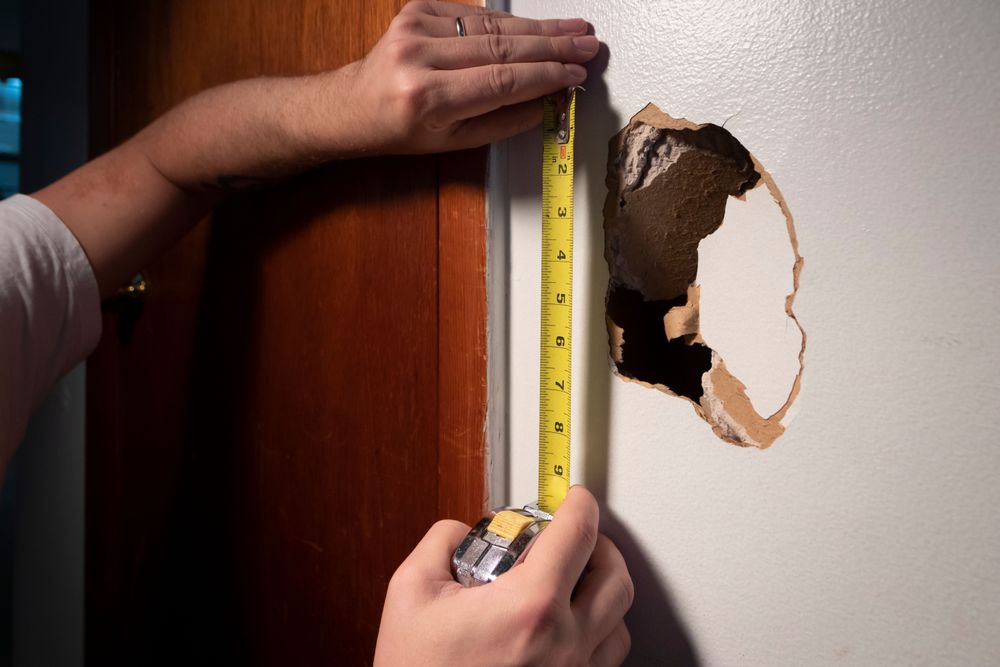
Drywall damage is a common issue that homeowners encounter. Whether it's a small hole, a dent, or a larger patch, knowing how to perform DIY drywall patching can save you time and money. In this comprehensive guide, we will walk you through the step-by-step process of repairing and patching drywall. With the right tools, materials, and techniques, you can achieve professional-looking results and restore the beauty of your walls.
Gather the Necessary Tools and Materials:
Before you begin, gather the essential tools and materials. You will need a utility knife, sandpaper, a drywall saw, a putty knife, joint compound, mesh tape or drywall patch, a sanding block, a primer, and paint that matches your wall color.
Prepare the Damaged Area:
Clear the area around the damaged section and remove any loose or crumbling drywall. Use a utility knife or drywall saw to create clean edges around the damaged area. Ensure the surrounding wall is clean and free from dust or debris.
Apply Mesh Tape or Drywall Patch:
For small holes or cracks, apply self-adhesive mesh tape over the damaged area, extending it slightly beyond the edges. Press the tape firmly to ensure it adheres well. For larger holes, cut a piece of drywall patch slightly larger than the hole and place it over the damaged area.
Apply Joint Compound:
Using a putty knife, apply a thin layer of joint compound over the mesh tape or drywall patch. Extend the compound beyond the edges of the tape or patch to blend it seamlessly with the surrounding wall. Smooth the compound with the putty knife, removing any excess.
Sand and Feather the Edges:
Once the joint compound is dry, use sandpaper or a sanding block to smooth the patched area. Feather the edges by sanding them gradually to blend them with the surrounding wall. Ensure the surface is smooth and level.
Prime the Patched Area:
Before painting, apply a primer to the patched area. This will ensure proper adhesion and help the paint blend with the rest of the wall. Follow the manufacturer's instructions for application and drying time.
Paint and Finish:
Once the primer is dry, paint the patched area with a paint color that matches the rest of the wall. Use a small roller or a brush to achieve an even finish. Apply multiple coats if necessary, allowing each coat to dry before applying the next.
Final Touches and Cleanup:
Inspect the patched area and make any necessary touch-ups to ensure a seamless blend. Clean up your tools and dispose of any debris. Allow the paint to dry completely before moving furniture back or placing items against the wall.
Performing DIY drywall patching is a valuable skill that can help you address minor damages and maintain the appearance of your walls. By following these step-by-step instructions, gathering the necessary tools and materials, and applying the right techniques, you can achieve professional-looking results. Remember to take your time, be patient, and ensure each step is done thoroughly. With practice, you'll gain confidence in your abilities to tackle drywall repairs and keep your home looking its best.
How Can We Help?
If you need a quote or have a question about our products or services, please message us!
Contact Us