





















Evaluating Decking Material Performance for Midwest Climates
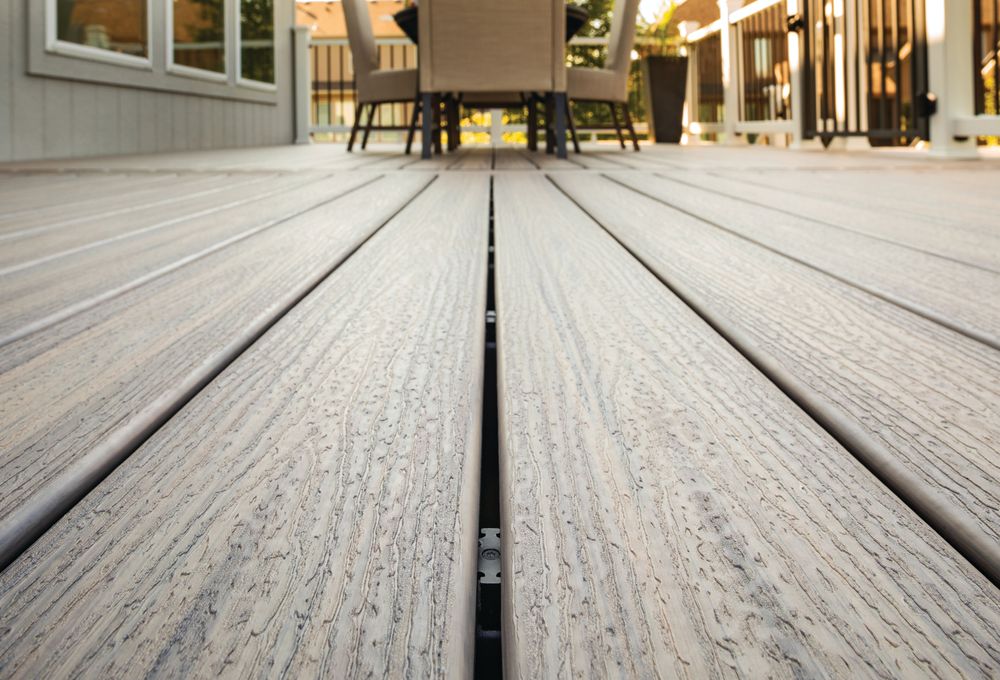
So, you’re thinking about building a deck or giving your current one a refresh? Choosing the right decking materials is a big decision. With brutal winters and humid summers, your deck faces a lot of abuse. This deep dive focuses on the performance of different materials and how to get the most out of them in our challenging climate.
Understanding the Enemy: Midwest Weather Challenges
Before you choose your decking material, understand what it's up against. We're talking extremes:
- Temperature Swings: Freezing and thawing cycles can cause wood to expand and contract, leading to cracking and splitting.
- Moisture: Humidity, rain, and snow all contribute to moisture absorption, which can cause rot and mildew.
- UV Exposure: The sun's rays can fade and damage even the most durable materials over time.
Why Material Matters
All decking materials aren't created equal when it comes to standing up to the weather. Let's look at a few common options and what you can expect.
Pressure-Treated Lumber: The Traditional Choice
Pressure-treated lumber is still a popular choice, and for good reason: it’s relatively affordable and easy to work with.
Benefits of Pressure-Treated Decking
- Cost-Effective: Typically the most budget-friendly option.
- Readily Available: You'll find it at any R.P. Lumber location.
- Easy Installation: Can be cut, drilled, and fastened with standard tools.
Downsides of Pressure-Treated Decking
- Vulnerability to Splitting and Cracking: Requires regular maintenance to prevent damage.
- Prone to Moisture Absorption: This leads to potential for rot if not properly sealed and maintained.
- Needs Staining or Sealing: This requires ongoing upkeep to protect the wood from the elements. Make sure to apply stain or sealant on a dry day, with temperatures above 50 degrees Fahrenheit.
Composite Decking: The Low-Maintenance Option
Composite decking is made from a combination of wood fibers and plastic. It's designed to mimic the look of wood but with added durability and low maintenance.
Benefits of Composite Decking
- Low Maintenance: Requires minimal staining, sealing, or painting.
- Resistant to Rot and Insects: The plastic component makes it impervious to these common deck destroyers.
- Durable: Won’t splinter or crack like wood.
Downsides of Composite Decking
- Higher Upfront Cost: More expensive than pressure-treated lumber.
- Can Fade Over Time: While durable, it may still be affected by UV exposure, leading to some color fading.
- Can Get Hot: Darker colors can absorb significant heat in the summer.
Proper Installation and Maintenance: The Key to Longevity
Regardless of the decking material you choose, proper installation and ongoing maintenance are crucial to maximizing its lifespan.
Deck Board Spacing
Correct deck board spacing is vital. Proper gaps allow for expansion and contraction. Follow the manufacturer's recommendations for your chosen material. This typically ranges from 1/8 to 1/4 inch between boards.
Fasteners and Hardware
Use appropriate fasteners, such as deck screws, specifically designed for outdoor use. Consider hidden fastener systems for a cleaner look and improved longevity.
Cleaning and Maintenance
Regular cleaning is essential. Use a deck cleaner designed for your specific material. A pressure washer can be effective, but be careful not to damage the surface. Avoid using harsh chemicals that could damage the decking material.
Making the Right Choice for Your Deck
Choosing the right decking materials involves weighing cost, desired look, and your commitment to maintenance. Consider these factors when making your decision.
Ready to start planning your new deck? Stop by any R.P. Lumber location and ask about our pressure-treated decking options — our staff can help you calculate exactly what you need.